
Dr. Anas M. Hasan Alobaidi: First Iraqi Awarded the American FGPS Surgical Fellowship

Iraqi urologist and andrologist Dr. Anas M. Hasan Alobaidi received the 2026 American professional surgical fellowship FGPS, Fellow of Genitourinary Prosthetic Surgery, from the US-based Society of Urologic Prosthetic Surgeons (SUPS). He is the first Iraqi physician to receive this American surgical fellowship and the only Iraqi surgeon in the 2026 class.
This achievement recognizes his sustained surgical experience in prosthetic and implant surgery, professional commitment, and continued contribution to the specialty. Dr. Anas represents DrAnasUrology Men’s Health Clinic in Baghdad, Iraq, within this international group of specialists.
FGPS is a selective American professional surgical fellowship conferred by the US-based SUPS, not a short course or a new residency program. It is a professional fellowship, not a ranking of physicians or a guarantee of an individual treatment outcome. Results always depend on the patient’s condition, procedure, clinical assessment, and follow-up plan.

What Does the American FGPS Surgical Fellowship Mean?
FGPS stands for Fellow of Genitourinary Prosthetic Surgery. The US-based SUPS confers this American professional surgical fellowship as a society specializing in genitourinary prosthetic procedures, including penile implants and artificial urinary sphincters.
FGPS goes beyond society membership. It distinguishes a selective group of experienced, high-volume prosthetic surgeons who have met objective standards of excellence in genitourinary prosthetic surgery.
The criteria include:
Sustained, high-volume experience in genitourinary prosthetic surgery.
Professional conduct and integrity.
Continued engagement with and contribution to the specialty.
A commitment to advancing prosthetic urology through education, leadership, and clinical practice.
The fellowship therefore reflects an established professional record rather than attendance at a single meeting or course.
What Does Genitourinary Prosthetic Surgery Include?
Genitourinary prosthetic surgery is a focused specialty that restores lost function using medical devices implanted inside the body. Its principal applications include penile prosthesis surgery for selected cases of erectile dysfunction that have not responded to appropriate treatment, artificial urinary sphincter surgery for specific forms of urinary incontinence, and procedures to revise, replace, or manage complications involving existing devices.
Expertise in this field extends beyond performing the technical steps of an operation. The surgeon must select an appropriate candidate, match the device to the patient’s anatomy and health, create a precise infection-prevention plan, explain realistic outcomes before surgery, monitor wound healing, and teach the patient to use the device after recovery.
Cases become more demanding when there is severe fibrosis, Peyronie’s disease, previous pelvic surgery, an older implant requiring replacement, or a history of infection. These situations may require a different surgical approach, alternative sizing, removal of an existing device, or an additional corrective procedure during the same operation. The quality of care therefore depends on repeated experience with both straightforward and complex cases.
Malleable and Inflatable Penile Prostheses
Penile prostheses fall into two main categories. A malleable implant consists of two bendable rods and offers simple operation with fewer mechanical components. An inflatable implant uses cylinders, a pump, and a reservoir to provide rigidity on demand and return to a flaccid state afterward. No single type is right for every patient. Selection depends on anatomy, manual dexterity, previous operations, cost, and the patient’s goals.
Repeat and Replacement Surgery
Years after implantation, a device may require replacement because of mechanical failure, component position, tissue erosion, or infection. Repeat surgery is usually more complex than a first implantation because scarring, fibrosis, and altered anatomical spaces can make access and sizing more difficult. Experience in repeat procedures is therefore an important part of a specialist prosthetic surgeon’s practice.
Why Does FGPS Require Sustained Experience?
Prosthetic procedures require precise decisions before, during, and after surgery. Regular practice helps a surgeon manage anatomical variation, select appropriate sizing and placement, recognize problems early, and apply consistent infection-prevention steps. It also enables the surgeon to compare available options and explain the benefits and limitations of each device clearly.
Continued professional development includes attending scientific meetings, reviewing current evidence, participating in practical training, exchanging experience with specialist surgeons, and auditing outcomes and complications. These elements connect FGPS to active, sustained practice rather than a title added to a professional biography.
Why Was Dr. Anas M. Hasan Alobaidi Recognized?
Dr. Anas M. Hasan Alobaidi, PhD, F.I.C.M.S. is a senior urologist and andrologist and the Clinical Manager of DrAnasUrology Men’s Health Clinic in Baghdad.
His principal areas of practice and contribution include:
Inflatable and malleable penile prosthesis surgery.
Male infertility care and related microsurgery.
Peyronie’s disease treatment and penile reconstruction.
Andrology and men’s sexual health.
Surgical education, regional lectures, and live-surgery demonstrations.
He is an active member of ISSM, MESSM, ESSM, and SUPS and a contributor to the Video Journal of Sexual Medicine. His career combines surgical practice, medical education, and the advancement of genitourinary prosthetic surgery in Iraq and the Arab world.

Why This Recognition Matters for Iraq
Having the first Iraqi physician, and the only surgeon from Iraq in the announced 2026 FGPS class, places Iraqi experience in prosthetic urology within a highly specialized international professional network. The practical value lies not in the letters alone, but in what they represent: regular surgical practice, ongoing education, peer exchange, and commitment to safer patient selection, surgery, and follow-up.
For patients in Iraq and the wider region, international professional engagement may help support:
Updated patient-selection and preoperative protocols.
Stronger infection-prevention practices.
Better planning for complex, revision, or replacement surgery.
Continued familiarity with developments in penile implants and artificial urinary sphincters.
Clearer counseling before surgery and structured follow-up afterward.
The American FGPS surgical fellowship does not replace individualized care. Selection of an implant or other prosthetic device depends on diagnosis, anatomy, medical conditions, prior surgery, manual dexterity, patient priorities, and realistic expectations.
Which American Society Conferred the Fellowship?
The US-based Society of Urologic Prosthetic Surgeons (SUPS) conferred the American FGPS surgical fellowship. SUPS is an independent American professional organization headquartered in Illinois and is dedicated to advancing education, research, and surgical standards in prosthetic urology.
Dr. Paul Perito, SUPS President for the 2026–2027 term, presented the 2026 fellowships. Selection reflects surgical experience, professional conduct, and sustained contribution to the specialty.
How Many Surgeons Received FGPS in 2026?
The American SUPS awarded the FGPS surgical fellowship to 70 surgeons in 2026. Dr. Anas M. Hasan Alobaidi is the first Iraqi physician to receive it and the only Iraqi surgeon in this class.
The SUPS Resident Education and Surgical Lab
SUPS also organizes the Resident Education and Surgical Lab for residents and early-career urologists. The 2026 lab takes place on October 9, 2026, in Orlando, Florida, with lectures followed by practical training in small groups.
Topics include patient selection and counseling, reservoir and cylinder placement, infection-prevention protocols, device cycling and activation, complication management, and artificial urinary sphincter surgery.
The educational lab is separate from the American FGPS surgical fellowship. The lab trains developing surgeons, while FGPS recognizes surgeons who meet established standards of experience, professionalism, and continued contribution. Both support the American society’s goal of advancing surgical training and patient care.
Years of Training and Experience Before the American Fellowship
Dr. Anas M. Hasan Alobaidi received the American FGPS surgical fellowship after a cumulative professional path spanning years of academic qualification, sustained surgical practice, hands-on training with international pioneers, teaching, and professional exchange. The fellowship did not result from a single course; it recognizes a continuing record in genitourinary prosthetic surgery.
Dr. Anas holds the Iraqi Board qualification in urology and completed a fellowship in andrology and male infertility at Al-Nahrain University’s Higher Institute for Infertility Diagnosis and Assisted Reproductive Technologies. He continued developing experience in penile implant surgery, Peyronie’s disease, male infertility, and repeat surgery for complex prosthetic cases.
In May 2025, he completed the Barbara & Steve Wilson Educational Foundation program in prosthetic urology in Seoul, South Korea, under American Professor Steven K. Wilson and Korean surgeon Dr. Sung Hun “Sean” Park. The program included advanced training and discussion of surgical planning and complex prosthetic cases.
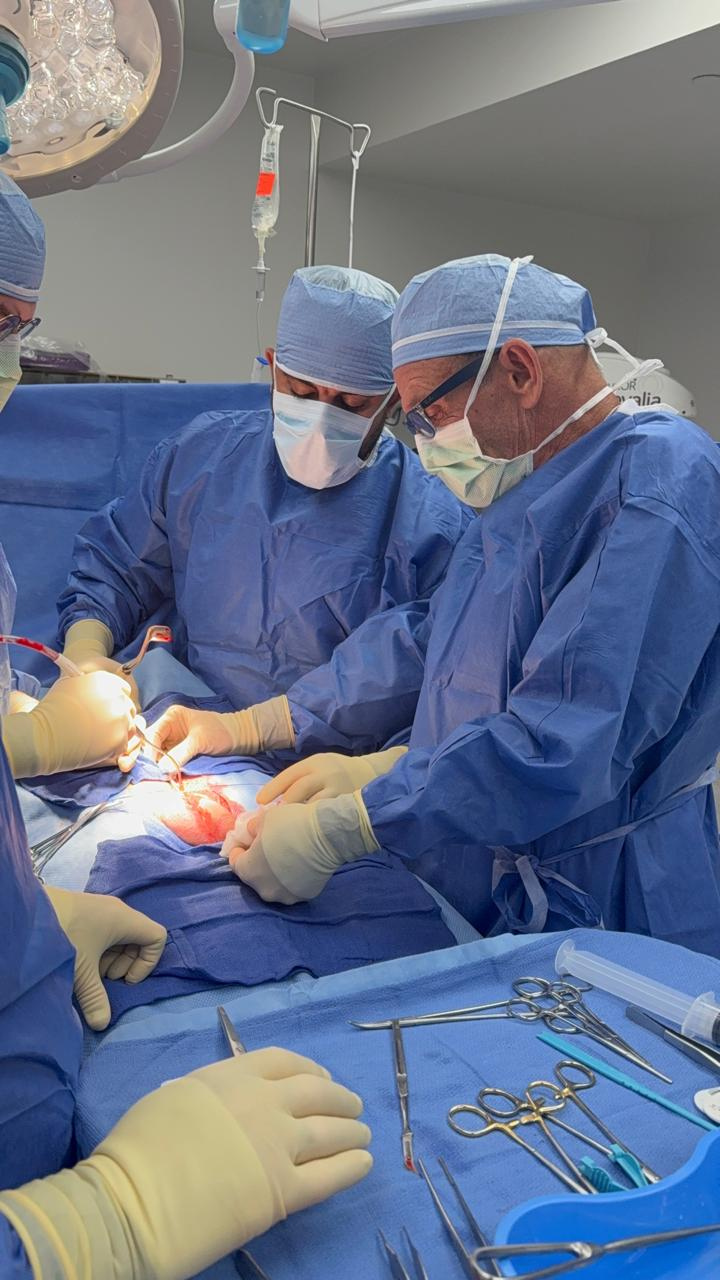

Dr. Anas also traveled to the United States for training and professional exchange with American urologist Dr. Paul Perito in Miami, covering men’s health, prosthetic urology, and the original American UroFill protocol. The visit included scientific discussions, observation of practical applications, and collaboration with experienced prosthetic-urology physicians.


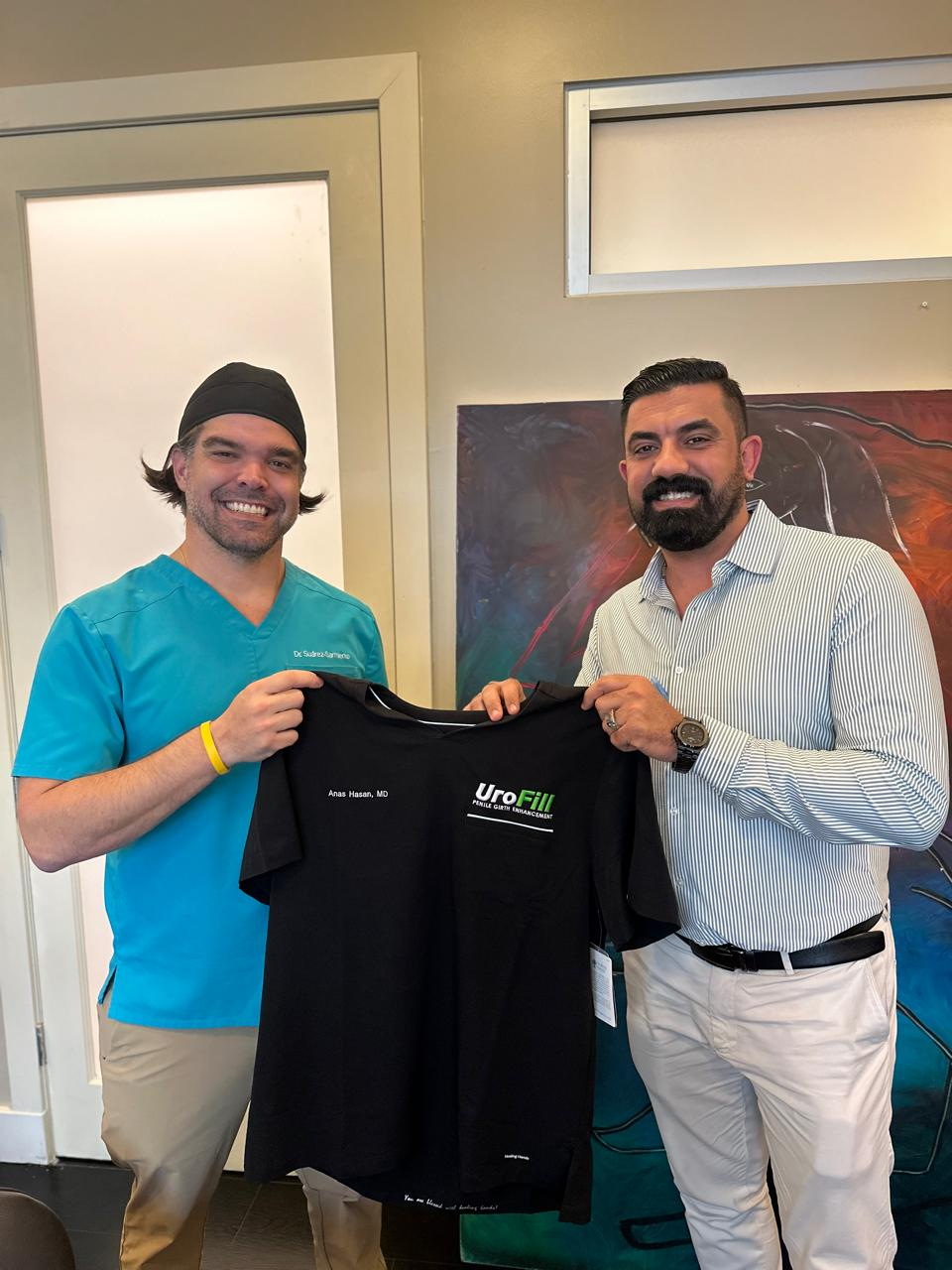
His American professional path also included a scientific visit to Atlanta Cosmetic Urology in Georgia and exchange with its team concerning advanced penile implant surgery and men’s health. These visits allowed him to compare surgical approaches, review infection-prevention protocols, and learn from more than one center and surgical school.


His participation in live-surgery workshops, lectures, and international professional meetings complements this training. This combination of surgical volume, international education, continued learning, and professional conduct established the path that led to the American FGPS surgical fellowship.
What Does FGPS Mean for a Patient?
The American fellowship means that the surgeon has met objective professional criteria relating to surgical experience, conduct, and continued contribution to the field. It is important evidence when reviewing a surgeon’s background, but it should not be the only factor in a treatment decision.
Before penile implant or artificial urinary sphincter surgery, patients should ask about:
The diagnosis and why surgery is being proposed.
Appropriate nonsurgical alternatives.
Which device is recommended and why.
The surgeon’s experience with similar and revision cases.
Risks such as infection, bleeding, erosion, device malfunction, and future revision.
Follow-up arrangements and how urgent concerns are handled.
Realistic expectations for function and recovery.
From Consultation to Follow-Up: How Expertise Shapes Patient Care
Good care begins with a detailed consultation, not a rushed decision for surgery. The physician takes a full medical history, identifies the cause of erectile dysfunction or urinary incontinence, and reviews medication, chronic disease, previous operations, and treatments already attempted. Additional testing may be required before the appropriate device can be discussed.
During planning, the physician explains the differences between available devices, how they are operated, where their components are positioned, and what outcome can realistically be expected. A penile prosthesis restores the rigidity required for intercourse, but it does not treat low sexual desire or hormonal deficiency, increase sensation, or guarantee restoration of length lost through fibrosis or Peyronie’s disease. Clear counseling protects the patient from unrealistic expectations.
Before surgery, preparation includes controlling chronic medical conditions, confirming the absence of active infection, reviewing medications that may affect bleeding, and preparing the skin according to the surgical team’s protocol. During the operation, safety depends on sterile technique, careful tissue handling, accurate measurement, and minimizing contact between the device and potential sources of contamination.
The team’s responsibility does not end when the patient leaves the hospital. Follow-up includes wound assessment, monitoring pain and swelling, deciding when device use can begin, teaching inflation and deflation for inflatable prostheses, and answering questions during recovery. Patients need rapid access to the team if they develop fever, increasing redness, discharge, worsening pain, difficulty urinating, or a sudden device problem.
Frequently Asked Questions
Is FGPS a new training fellowship completed by Dr. Anas?
Not in the traditional sense of a months- or years-long training appointment. FGPS is a selective American professional surgical fellowship conferred by the US-based SUPS according to surgical experience, professional conduct, and continued contribution to the specialty.
Is Dr. Anas the first or only Iraqi FGPS Fellow?
Yes. Dr. Anas is the first Iraqi physician to receive the American FGPS surgical fellowship and the only Iraqi surgeon in the 2026 class.
Does FGPS guarantee the result of surgery?
No. No credential can guarantee an individual result. Outcomes depend on the patient’s condition, the procedure and device, infection prevention, the clinical team, adherence to instructions, and follow-up.
Is FGPS a ranking of surgeons?
No. FGPS is an American professional surgical fellowship, not a ranking or recommendation of one surgeon over another.
What procedures fall under genitourinary prosthetic surgery?
The field primarily includes penile implant surgery for appropriately selected erectile dysfunction and artificial urinary sphincter surgery for selected urinary incontinence, as well as repeat surgery, device replacement, and management of complications.
A Statement from DrAnasUrology
Receiving the 2026 American FGPS surgical fellowship is a professional responsibility as much as an honor. Dr. Anas M. Hasan Alobaidi and his Baghdad team remain committed to advancing prosthetic urology and men’s health through clinical experience, ongoing education, international collaboration, patient privacy, and individualized decision-making.
For consultations in Baghdad: Al-Mansour Medical Complex, 14 Ramadan Street, Al-Mansour. Clinic phone: +964 783 388 8288.
This article is for general educational and professional-news purposes only. It is not medical advice or a guarantee of treatment outcome. Decisions about penile implants and other genitourinary prosthetic procedures require an individual assessment by a qualified urologist.


Comments